
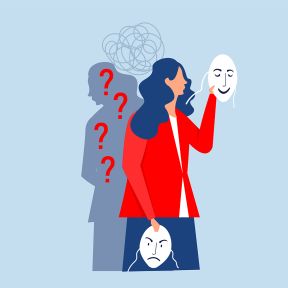
Imposter syndrome- questioning your autism diagnosis
Ruth Guy, Specialist nurse talks about feelings after receiving an autism diagnosis as an adult.
After an autism diagnosis, it is completely normal to need time to process how you feel. Feelings may range from initial relief, to sadness and anger that it wasn't noticed sooner to even questioning whether the diagnosis is correct.

Is it really autism?
You may be wondering:
- “Isn’t it just OCD or social anxiety?”
- “What if I’m not autistic enough?”
- “What if they got it wrong?”
These are very common reactions, especially after a later-in-life diagnosis. You may be feeling unsure, disconnected from the label, or like an “imposter.” Many people- especially those who’ve learned to mask feel this way. It doesn’t mean your diagnosis isn’t valid.
Why Autism Might Not "Feel" Like the Right Fit
It’s common to identify more with conditions like OCD or social anxiety, because:
- OCD and autism can both involve routines, intense focus, or repetitive thoughts - but OCD is driven by intrusive fears, while autism often involves seeking predictability or sensory balance.
- Social anxiety involves fear of being judged. Autistic people may find social situations confusing or exhausting even without that fear, due to differences in processing social cues.
It’s also possible and common to have both autism and anxiety or OCD. Research shows:
- Up to 70% of autistic people experience anxiety.
- About 30-40% experience OCD traits or symptoms.
- Mental health conditions are more common in autistic people than the general population.
About Masking and Imposter Syndrome
Many autistic people become skilled at hiding or “masking” their traits to blend in socially or meet expectations. This can make it harder to recognise your own differences and lead to imposter syndrome after diagnosis. You might think:
- “I’ve managed this long- maybe I’m not really autistic.”
- “I’m not like other autistic people I’ve seen.”
But masking doesn’t mean you’re not autistic. It just means you’ve adapted, which takes effort and often comes at a cost (like burnout, anxiety, or identity confusion).
Moving Forward
It’s okay to take time to sit with your diagnosis. It doesn’t need to change who you are - it can help explain why certain things have felt hard or different. A diagnosis is not a limitation; it’s a lens that can help you understand yourself with more clarity and compassion.
Affirming Autism is here to support you. Our assessments are neuro-affirming and tailored to recognise how autism shows up across all genders, ages, and masking styles. You are not alone and your experience is valid.